Pay in installments of $5.89 with
 ,
,
 and
and

Shipping Estimate
USA
- USA
- CAN
- USA
- CAN
Ships within 48 hours · Estimated delivery Jul 2 - Jul 7
 Promo Codes Available:
For Your Every Summer RSVP, with Code: SUMMER15
Description
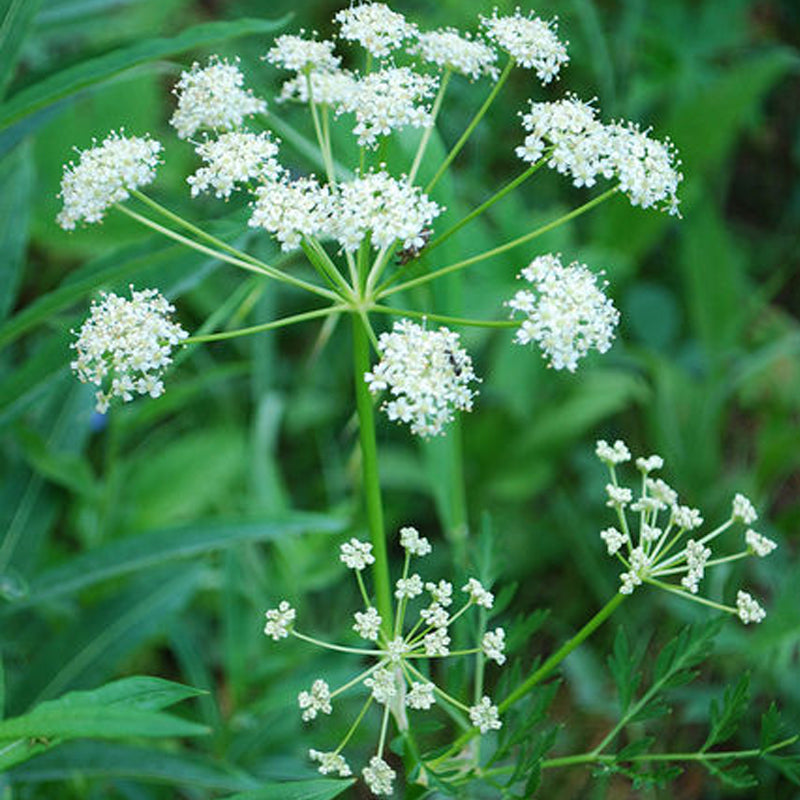
caraway seed plant Caraway (Carum carvi) 0.25 oz (~2500 Seeds)Caraway (Carum carvi) is an aromatic biennial plant that is native to Europe and western Asia. It belongs to the Apiaceae family and is well known for its distinctive seeds, which are commonly used as a spice in culinary preparations. Caraway grows as a rosette of basal leaves in its first year, and then sends up flowering stems in its second year. The plant can reach a height of 1 to 2 feet (30 to 60 centimeters). The leaves are feathery, finely
Caraway (Carum carvi) is an aromatic biennial plant that is native to Europe and western Asia. It belongs to the Apiaceae family and is well-known for its distinctive seeds, which are commonly used as a spice in culinary preparations. Caraway grows as a rosette of basal leaves in its first year, and then sends up flowering stems in its second year. The plant can reach a height of 1 to 2 feet (30 to 60 centimeters). The leaves are feathery, finely divided, and fern-like. The flowers are small and white, clustered together in umbrella-shaped inflorescences known as umbels.
Seeds: The seeds of caraway are the most valued part of the plant. They are small, elongated, and curved with a distinctive ridged surface. The seeds have a warm, sweet, and slightly peppery flavor, with hints of anise and citrus. They are typically harvested when they turn brown and become hard.
Culinary Uses: Caraway seeds are widely used as a spice in various cuisines. They are a common ingredient in rye bread, sauerkraut, and other pickled vegetables. Caraway seeds are also used in sweet dishes like cakes, cookies, and pastries, as well as in savory dishes such as soups, stews, and curries. They can be used whole or ground, depending on the desired flavor intensity.
Medicinal Uses: Caraway has a long history of medicinal use. It is known for its carminative properties, which means it can help relieve digestive issues such as bloating, gas, and indigestion. Caraway seeds are often consumed as a tea or added to herbal preparations for their digestive benefits. Caraway oil, extracted from the seeds, is also used in some herbal remedies.
Other Uses: In addition to its culinary and medicinal uses, caraway has other applications. It is sometimes used in the production of liqueurs, such as aquavit and kümmel, which have a distinct caraway flavor. Caraway oil is used in the cosmetic and fragrance industries as well.
Garden Cultivation: Caraway is relatively easy to grow, and it prefers cool climates. It thrives in well-drained soil and requires full sun or partial shade. The plants produce attractive umbel-shaped flowers that can be visually appealing in the garden. Caraway is a biennial plant, so it completes its life cycle in two years. It is typically grown from seeds, and the seeds can be harvested when fully mature.
It's worth noting that caraway can sometimes cross-pollinate with other plants in the Apiaceae family, so if you plan to save seeds, it's important to prevent cross-pollination with other varieties of caraway or similar plants like dill, fennel, or parsley.
Overall, caraway is a versatile and flavorful spice with both culinary and medicinal uses, adding a distinct taste to various dishes and providing potential digestive benefits.
Shipping Notes
- Free Standard Shipping on $100+ Orders to the USA.
- Except Preorder products are shipped in 48 hours.
- Delivery to the USA:
- Standard Shipping : 3-10 business days
- If time is of the essence, please consider selecting expedited delivery for faster service.
Exchange/Return Notes
- We offer a 30-day return/exchange service after receiving.
- Final sale items are not eligible for returns or exchanges.
- To process your return/exchange, please contact us at [email protected]
- Please click here for more details>>> Return & Exchange Policy